Kemp Care Network 50/50 Raffle
Bereavement Book
Click HERE to view and download the "Navigating the water of your grief" Bereavement Book.


A board book that offers language and guidance for parents to introduce concepts related to grief to children. It gives words to help young children to understand big feelings related to grief and loss.

Through simple language and illustrations, this book gives words to the different feelings we may have when experiencing grief. It normalizes grief as a personal and evolving process, showing to children that healing takes time.

Based on a true story, this beautiful book follows two polar bears named Gus and Ida, as they navigate Ida's terminal illness. It gently portrays love, anticipatory grief, and the lasting impact of meaningful relationships.
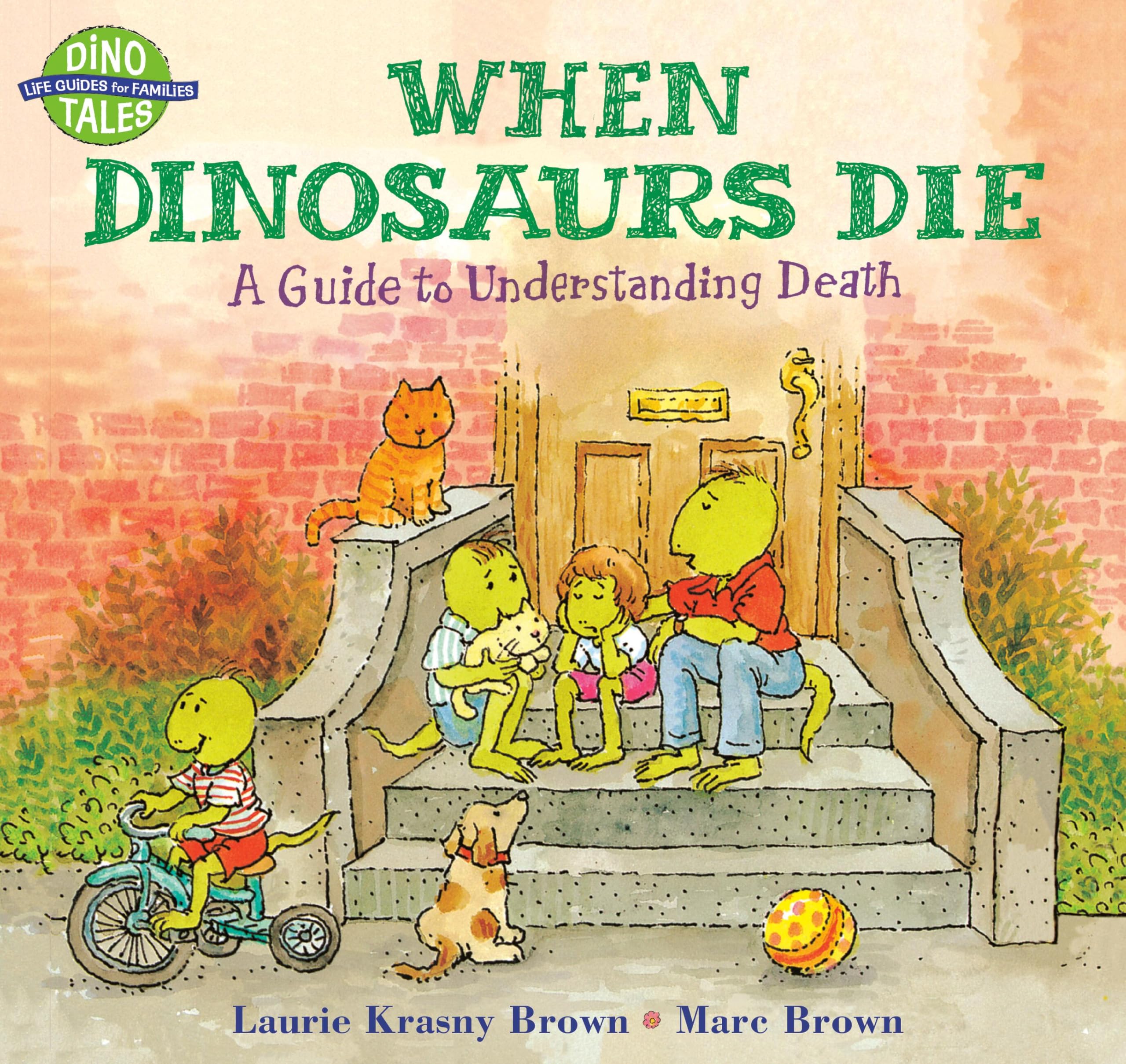
This book explains death using clear, age-appropriate language, touching on topics such as what death means, why it happens, and how we may feel when someone dies. It touches on common questions and misconceptions that children may have, and is a great resource for parents to learn strategies for explaining death to children.
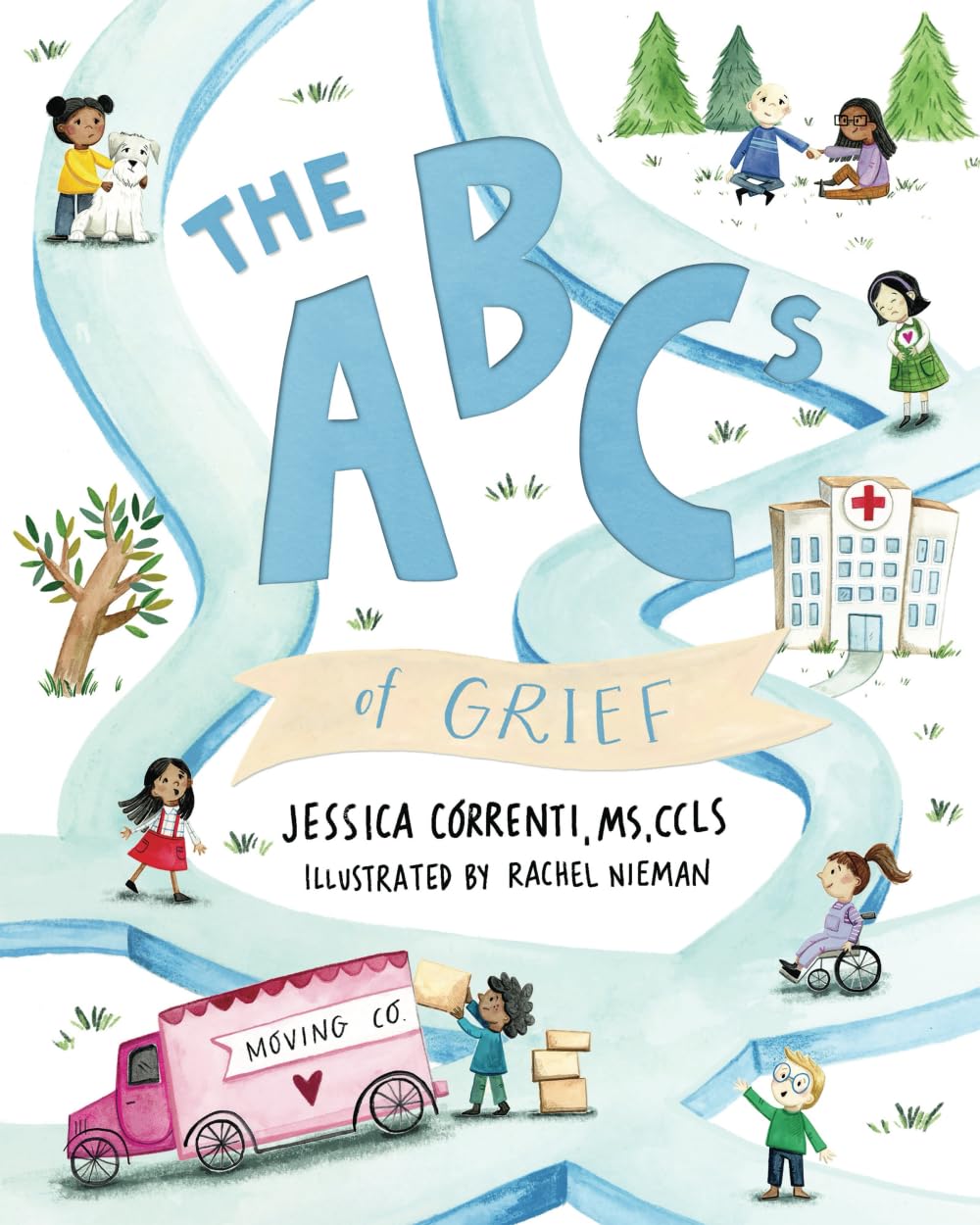
Using an alphabet format, this book introduces different emotions and experiences related to grief in an accessible way. It helps children build emotional vocabulary and understand that grief can take on many different forms.
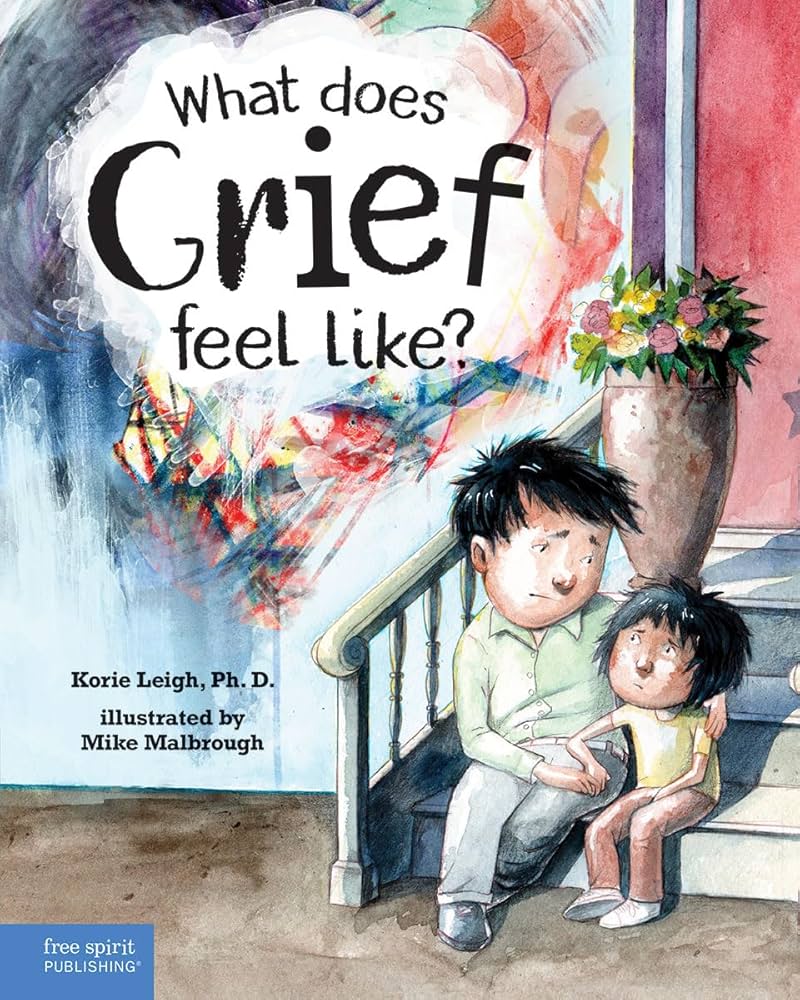
This book explores many ways that grief can feel, along with different ways that we remember and feel connected to someone that has died. Throughout the book are many questions and prompts for parents and children to start conversation together about grief.

This interactive workbook offers activities, reflections, and coping strategies to help children process their grief. This is a great resource for parents wanting to do creative grief-related activities with their kids at home, or for clinicians working with grieving children.

This novel follows a young girl navigating the ambiguous loss of her mother while dealing with complex emotions and family changes. Delsie is an “orphan” living with her grandmother in Cape Cod. She’s never known either of her parents and has lived with her grandparents her whole life. It highlights resilience, connection, and the healing power of supportive relationships.

This teen fiction story follows a boy visited by a mysterious monster as he struggles to cope with his mother's terminal illness. This book shares strong themes of anticipatory grief, anger, guilt, and acceptance.

Our trained volunteers provide social and emotional support to individuals living with progressive life-limiting illnesses.
A progressive life-limiting illness is an active, advanced condition with little or no prospect of a cure that will ultimately result in end of life. During this journey, many individuals benefit from regular companionship, emotional support, and connection with someone who is there simply to listen and be present.
Volunteer Visitors can:
For the safety and well-being of our clients, Volunteer Visitors are not permitted to provide medical, personal, or physical care. This includes, but is not limited to:
If you feel that you or a loved one would benefit from Volunteer Visiting, please complete the interest form below.
For additional information or questions please contact Kayla Dennahower (R/TRO), Program Coordinator
volunteerprogram@kempcarenetwork.org
or call 905-387-2448 ext. 2209. Kayla will review your inquiry and contact you as soon as possible.

Every Wednesday, the Great Room at Dr. Kemp's House – Adult Hospice comes alive with laughter, conversation, therapeutic activities, and a fresh homemade meal. Participants enjoy a welcoming, home-like environment where they can connect with others, explore a new weekly theme, and take part in activities designed to support emotional, social, and spiritual well-being.
The program runs from 10:00am - 2:00pm and clients must have their own way of transportation to the program (i.e. DARTS, taxi, family members, drive themselves, etc.).
Sample day schedule:
Program Eligibility
For the safety of our staff and volunteers, prospective clients must be able to:
Thanks to the generosity of our community supporters and donors, this program is offered at no cost to eligible clients.
For additional information or questions please contact Kayla Dennahower (R/TRO), Program Coordinator
volunteerprogram@kempcarenetwork.org
or call 905-387-2448 ext. 2209
Find the services or information you’re looking for quickly by searching our site.